


Disgraced Theranos founder Elizabeth Holmes wants the world to see the ‘real’ her. So, just 34 days before reporting to federal prison, she does the most logical thing. She invites Nathan Fielder into her beachfront home to showcase what a loving mother and devoted partner she is – and how that whole Theranos scandal (you know, the one in which she defrauded investors out of hundreds of millions and put lives at risk in pursuit of her own ambitions) was all just a big misunderstanding.
Unfortunately for Holmes, Fielder is not quite the filmmaker you’d choose to oversee your image rehabilitation. The comic genius behind Nathan For You and The Rehearsal has made a speciality of setting elaborate traps that expose people’s absurdities, and he must have been frothing at the mouth at the prospect of such a high-profile, gamey catch. Rightfully so: the resulting documentary is brilliant, and quite unlike anything you’ve seen before. What begins as an apparent exercise in image management gradually becomes something much more intriguing: an examination of manipulation, performance, and the increasingly difficult task of distinguishing the person from the part they’re playing.
Fielder is the perfect choice to hold the funhouse mirror up to Holmes’s life, bringing his usual mischievous, deadpan presence. He navigates her carefully, knowing when to play the amiable observer (his attempts to act as an unobtrusive fly on the wall provide a fruitful running gag) and when to probe the gaps in her carefully constructed narrative. In one deliciously awkward exchange, he senses a moment to press and uses Abbott and Costello’s classic ‘Who’s on First?’ sketch to underline the ridiculousness of her obfuscating language. Her response is every bit as baffling as you’d hope, and is typical of a film that draws plenty of incredulous laughs.
There are also domestic moments that become an unexpected study in power and control. A scene between Holmes and her partner Billy Evans involving nothing more than whisking eggs feels strangely loaded. Holmes – once the head of a multibillion-dollar company – seems oddly infantilised and passive beside Evans, heir to the Evans Hotels hospitality empire. Is this a dynamic imposed on her, or one she willingly inhabits, even hides behind? Given that Holmes previously accused former Theranos executive Sunny Balwani of coercive and abusive behaviour, the parallels are hard to ignore, lending these scenes an especially uncomfortable undercurrent.

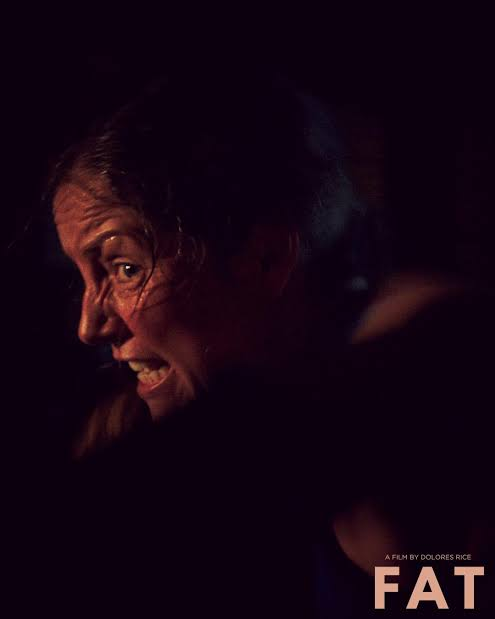
With Holmes offering only slippery answers, co-director Lance Oppenheim looks elsewhere for the truth. His claustrophobic 4:3 framing and unforgivingly tight close-ups turn faces into their own language, scrutinising her at almost forensic range and daring us to do the same, if we can stomach the bizarre tension. Yet even this feels unsettling: the more intently we look, the less certain we become of what we’re seeing.
When Holmes goes to prison, the film loses its most compelling subject. The focus shifts to Evans and his plans for a questionable new biotech venture, but he’s far more transparent in his unpleasant nature, and therefore a far less fascinating proposition. His privileged, controlling demeanour – including shutting down Fielder’s interviews with those orbiting the couple – and his tendency to watch science videos at 1.5x speed as though that makes him smart, leave you feeling like we’ve detoured into a manosphere documentary.
It is only with the arrival of Amanda Seyfried – who played Holmes in the Hulu series The Dropout – that the documentary finds fresh direction in its third act. Seyfried seems to break the spell cast over the filmmakers, bringing a much-needed female perspective and – rather ironically for a Hollywood actor – a jolt of genuine authenticity that refocuses the film. Through her, the story takes an intriguing, somewhat familiar turn for fans of The Rehearsal, bringing the documentary’s central preoccupation back to the foreground: how much of Holmes is merely an act for public consumption? And, perhaps more troublingly, how much of what we see is shaped by our own desire to believe, disbelieve, or simply be entertained by her?
At nearly three hours, You Can See Everything asks a lot, but repays every minute. Unique, hilarious, and utterly gripping, this is a must-see film. It may show you everything, but understanding what you’re looking at is another matter entirely – and there’s something wonderfully tantalising about that.



Leave a Reply