

By Genevieve Dammery
Some stories feel almost impossible to put on screen. Frank Berry’s The Lost Children of Tuam, based on a 2017 New York Times article by Dan Barry is one of them.
Set against the disturbing history of Ireland’s mother and baby institutions, the film confronts one of the country’s darkest chapters: the treatment of unmarried mothers and their children within a system shaped by institutional power, religious authority and social shame. At its centre is the tragedy of the children who died at the St Mary’s Mother and Baby Home in Tuam, and the devastating questions surrounding what happened to them.
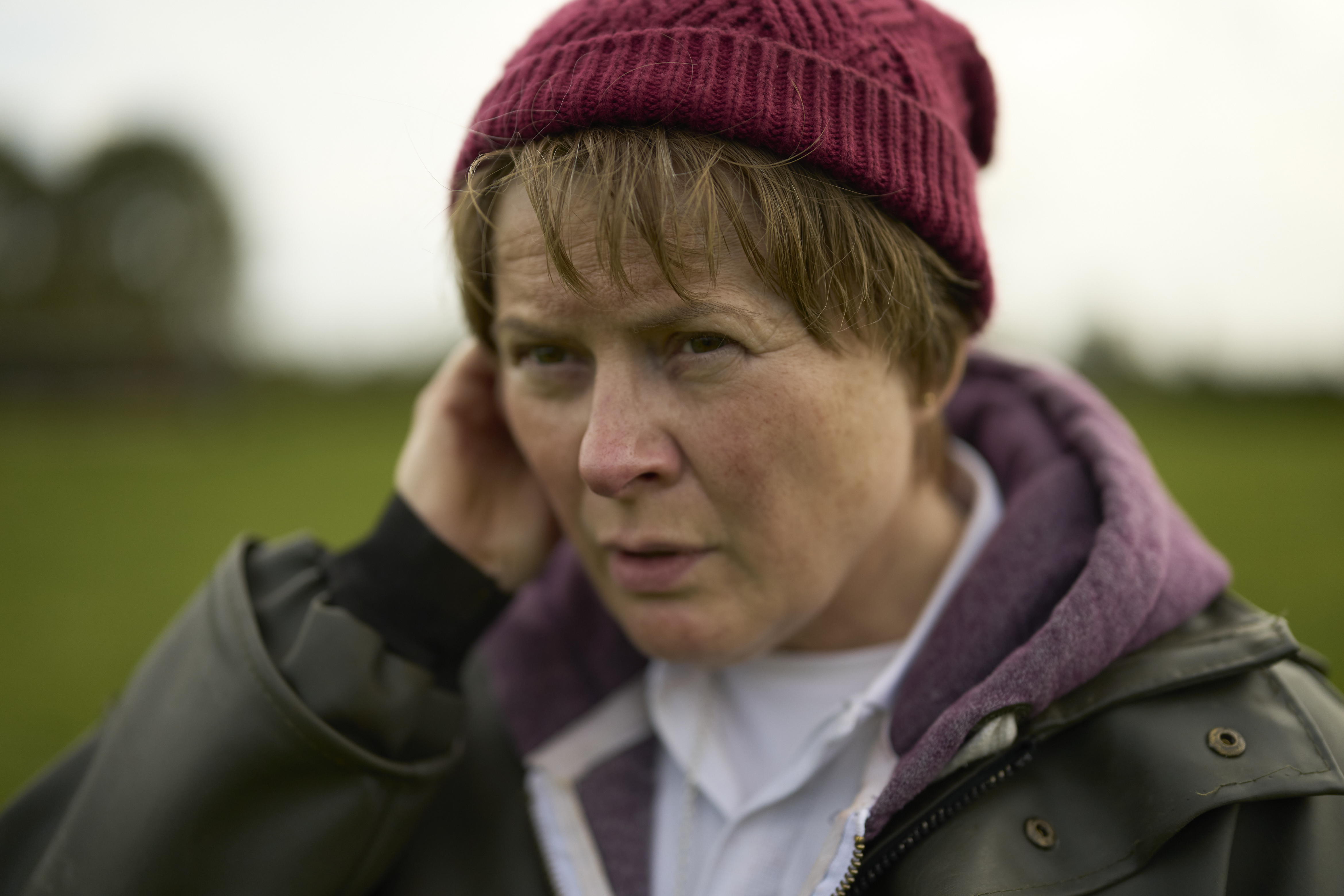
During its 84-minute run-time, the story follows amateur historian and Tuam resident Catherine Corless (Monica Dolan) as she begins researching the St Mary’s Mother and Baby Home for a night-class at her local college. What begins as a modest piece of local research soon develops into a far-reaching search for the truth. When she discovers the death certificates for almost 800 children without burial records or a memorial, Catherine tirelessly begins an eight-year journey for answers and justice, faced with silence and resistance from her own community, the church, and the government.

What makes the film so affecting is the way it approaches this history through human experience rather than allowing the scale of the tragedy to become abstract. The most painful moments are often the quietest, allowing the weight of what has happened to settle rather than relying on melodrama to manufacture a response. Yet the film is unflinching in its depiction of a society in which vulnerable women could be ostracised and stripped of agency, while children could effectively disappear from public view. The Lost Children of Tuam does not just present a narrative of historical injustice; it examines the human consequences of allowing that injustice to remain hidden.
There is an extraordinary sadness running through the film, but it is matched by a sense of determination. The search for truth becomes an act of remembrance: an attempt to restore identities and dignity to people who were denied both in life and, for so long, in death.
Importantly, The Lost Children of Tuam never allows the passage of time to make the events feel safely distant. Its subject matter remains painfully relevant, particularly in its examination of how institutions can protect themselves at the expense of the people they are supposed to serve. The result is a film that is as much about memory, accountability and hope as it is about the past.
The Lost Children of Tuam is devastating without being exploitative, deeply moving without becoming overly sentimental, and an important piece of cinematic storytelling. It gives a voice to a history that was systematically silenced and, above all, insists that those who were lost must not be forgotten.
Powerful, haunting and profoundly affecting, The Lost Children of Tuam may just be the most important film of 2026.
The Lost Children of Tuam arrives in cinemas on 9 October



Leave a Reply