

In 2007, Shay Butler was a twenty-seven-year-old countertop installer and part-time radio DJ living in Pocatello, Idaho. When he uploaded his first raw videos to YouTube – originally intended as a personal weight-loss diary – he could not have predicted he was on the path to creating the blueprint for a multi-million-dollar industry that would turn everyday parenting into prime-time entertainment.
By 2009, the solo experiment morphed into a daily, 365-day commitment. His new channel, The Shaytards, pointed the camera away from his fitness goals and directly at his young family, giving his children internet pseudonyms like “Babytard” and “Princesstard”. Vlogs documenting everything from play wrestling to actual births were uploaded for the world to see – and the world loved it.
My girlfriend at the time was one of those captive viewers, ritualistically refreshing The Shaytards channel every evening for the next hit of family fun. Whenever she tried to pull me into the screen with her, however, she was met with immediate scepticism. To my cynical teenage self, it all felt entirely too constructed. Every video compressed a whole day into fifteen minutes of perfect family life: adventure, holidays, and laughter. The children were always front and centre, their personalities providing the entertainment and their giggles the soundtrack. It was all too perfect for my liking, a performance even.
But, with time, the comfort of it all broke down my walls. I traded my cynicism for a sense of safety. Before I knew it, the channel became a daily ritual for me, too – a welcome refuge from my own slightly messy family life. The Shaytards offered an intimate window into an idyllic world that had escaped me with my parents’ seperation, acting as a kind of digital surrogate family I could drop in on whenever I wanted. It felt good, and because it felt good, I stopped asking questions.
I watched for years, until one day, the illusion broke.
In 2017, a public cheating and alcoholism scandal threatened to tear the Butler family apart, forcing their private trauma into the same public arena where they had once monetised their wholesome joy. To me, it felt like another betrayal, a second parental mess to process – but beneath that, there was also a cynical sense of relief. At least I knew their impossibly perfect family act was a lie, and that my own fractured home wasn’t so bad in comparison.
Nearly two decades into the social-media age, the true cost of the family vlogging social experiment is coming to light. The Shaytards’ famous family motto was bold and simple: “If life’s worth living, then it’s worth recording.” But we are finally beginning to see what happens when the children subjected to that creed grow up.
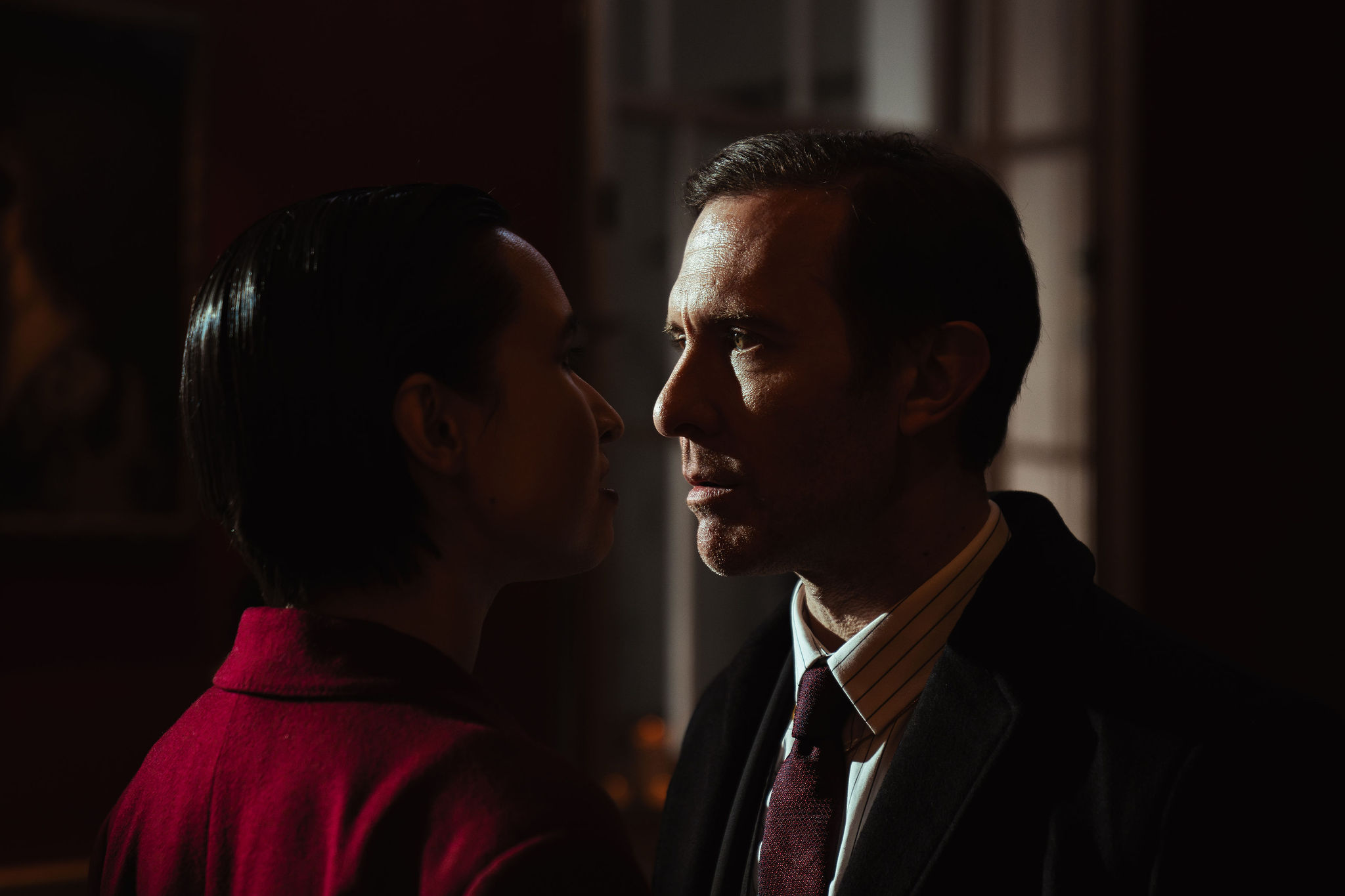
The psychological fallout is captured brilliantly in Babystar, a drama by director Joscha Bongard. It follows Luca, a teenager who has been the face of her parents’ social-media empire since birth. As she struggles to find where her online persona ends and her real self begins, the film asks a powerful question: if your entire childhood has been content, how do you work out which parts of you are actually yours?

It’s a painful question to explore, and one where we inevitably like to point the blame at the profit-driven platforms or the irresponsible, exploitative parents who built these empires. We want to believe the fault is entirely theirs.
But the moral failure doesn’t sit entirely with them. It sits with us.
Revisiting those family vlogs now, I get the same feeling I get when I think about going to SeaWorld as a kid. It is the uncomfortable recognition that I watched and found entertainment in something exploitative. We loved watching these children grow up, found comfort in their happiness, and were even helped by it. But comfort does not equate to moral justification. None of that means we weren’t willingly consuming a childhood that was never ours to buy.
At some point those children will look back, through the thin veils of their internet pseudonyms, at the all-too-public digital archive of their youth. And they will ask: do I see a childhood well lived – or a youth that never truly belonged to me? And by quietly participating, we ourselves must ask, did we in part steal it from them? As viewers, we can no longer afford to be passive consumers of other people’s real lives – we have to become conscious of the human cost of our digital habits.
I think back to those evenings watching my girlfriend get swept up in those vlogs, and how much I felt I needed that warmth, too.
That is precisely what makes it so dark. We wanted those families to be real because we desperately needed them to be. And because our own need was so loud, we forgot to think too hard about the people behind the glass.
Check out our Babystar review – read here





Leave a Reply