

By Genevieve Dammery
Everybody Digs Bill Evans may be one of the most surprising films of 2026.
In this unusual and moving biopic, Grant Gee transforms Owen Martell’s 2013 novel Intermission into a nuanced film which avoids many of the clichés found in stories about troubled artistic geniuses.
Rather than chronicling the entirety of Bill Evans’ life and career, the film focuses on a short period following the death of bassist Scott LaFaro, Evans’ close friend and collaborator in the Bill Evans Trio. This narrow focus allows the film to explore grief, addiction, and the personal cost of creative brilliance with depth and sensitivity.
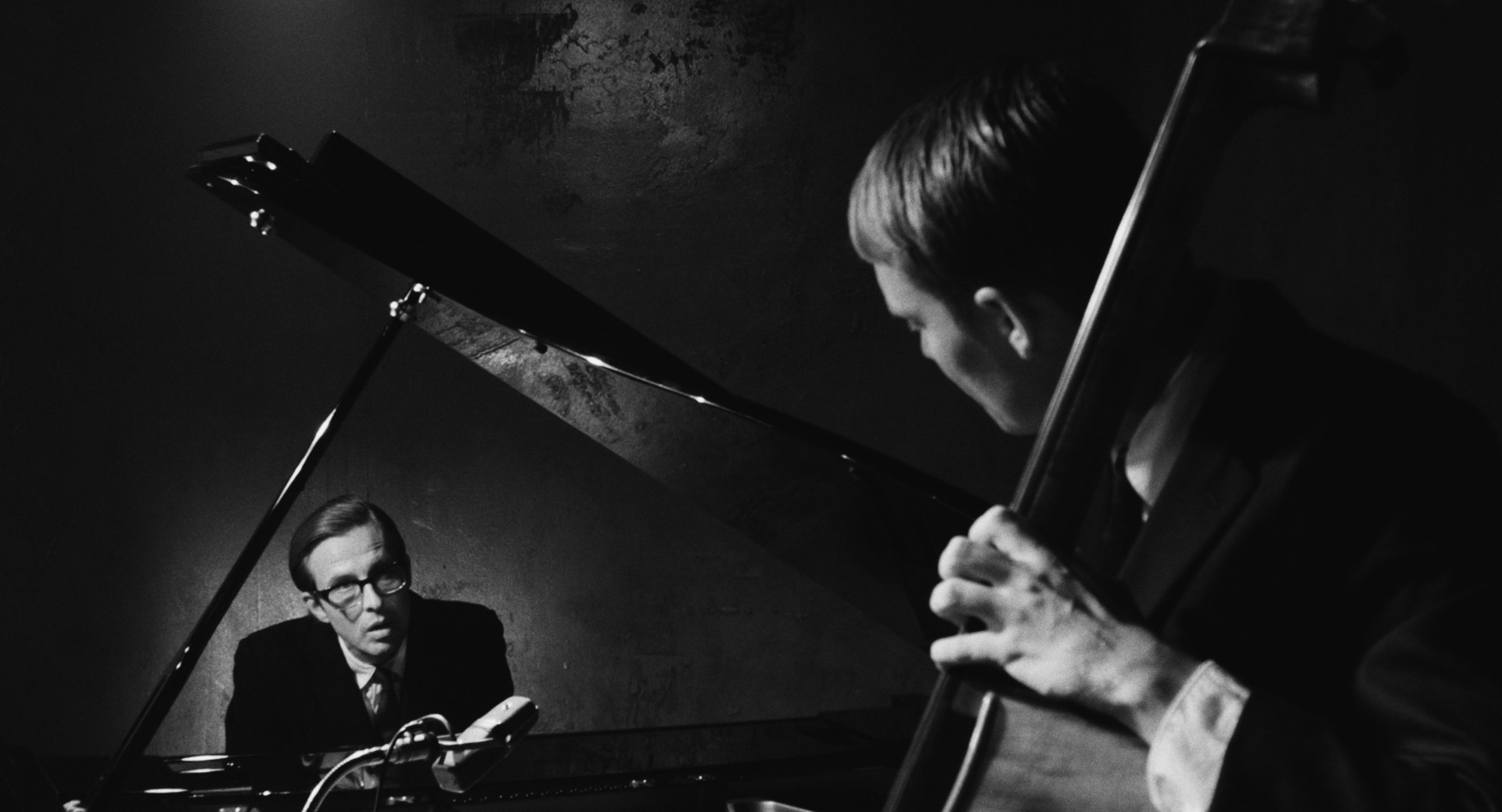
Anders Danielsen Lie is exceptional as Bill Evans. His portrayal is understated and introspective, capturing a man who struggles to express his emotions while carrying considerable psychological burdens. Rather than relying on dramatic outbursts, Lie communicates Evans’ turmoil through silence, gestures, a constant sense of anxiety, and emotional withdrawal. Supporting performances from Bill Pullman and Laurie Metcalf are equally memorable, bringing warmth, humour, and nostalgia to a story that could otherwise feel overwhelmingly bleak.

One of the film’s greatest strengths is its refusal to romanticise addiction or artistic suffering. Evans’ heroin dependency is presented not as a marker of genius, but as a destructive force that damages both himself and the people who love him. Following LaFaro’s death, Evans stays with his exasperated older brother Harry, sister-in-law Pat, and niece Debby (for whom Waltz for Debby was written), before Harry sends him away to stay with their parents. These early scenes are a poignant portrayal of grief which leave the viewer desperately hoping that Evans’ situation will improve. The remainder of the film plays beautifully with this tension, as Evans attempts to manage his addiction and find the will to create music again.
Visually, the film is stunning. Much of it is shot in black and white, evoking both classic jazz photography and the smoky clubs of 1960s New York. The cinematography often mirrors Evans’ music itself: elegant, reflective, and complex. Occasional shifts into highly saturated colour accompany sequences of later tragedies in Evans’ life, foreshadowing how the grief he experiences after LaFaro’s death would echo throughout his future.
The film’s pace may not be for everyone. Those expecting a conventional music biopic filled with performances and career milestones may find its contemplative approach challenging. The jazz itself functions more as an emotional backdrop than as the central subject. However, for those willing to engage with its quieter nature, the film offers a rewarding reflection on creativity, loss, and the sacrifices demanded by ambition. The film feels more like a character study than a traditional biopic, prioritising mood and emotion over momentum.
Ultimately, Everybody Digs Bill Evans succeeds because it captures something of the spirit of Bill Evans’ music. The film is melancholic and quietly beautiful. It explores not just the creation of art, but the loneliness and vulnerability that can accompany it. By focusing on a single devastating chapter in Evans’ life, Grant Gee creates a biopic that feels intimate, intelligent, and emotionally resonant. It is less a celebration of fame than a reflection on what remains when the music falls silent.
Everybody Digs Bill Evans arrives in cinemas on 11 September





Leave a Reply