
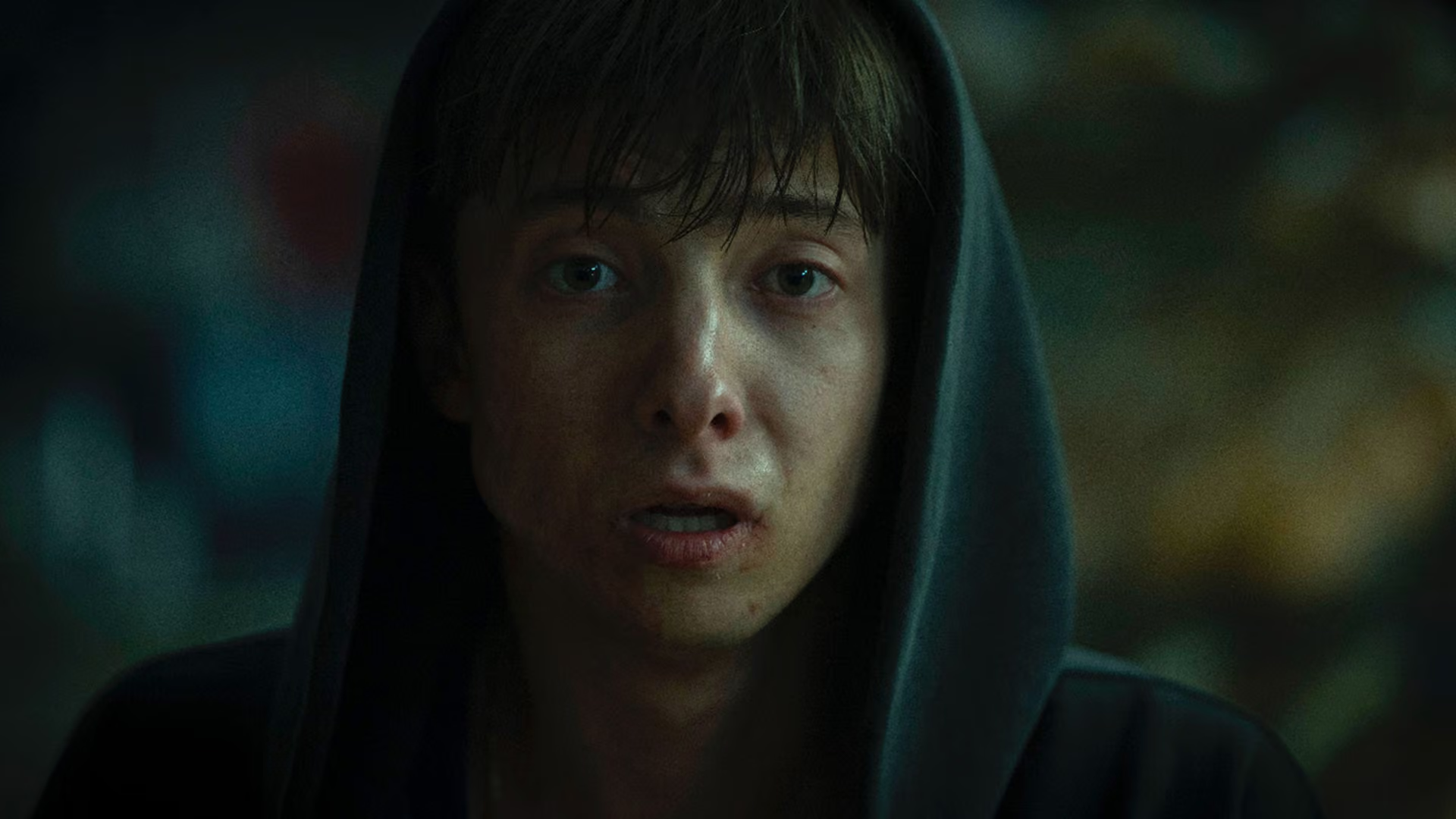

In Adrian Chiarella’s Leviticus, attraction is not only forbidden; it is weaponised. The Australian filmmaker’s debut takes the language of religious shame and turns it into horror, following two teenage boys whose relationship becomes entangled with a terrifying curse. The result is a film that understands that, for queer teenagers growing up in an environment hostile to their sexuality, the scariest monsters are often the ones we have been taught to see within ourselves and each other.
Naim (Joe Bird) is the new boy in a rural Australian town, where he lives with his single mother (Mia Wasikowska). There, he meets and begins a secret romance with Ryan (Stacy Clausen). Their relationship begins in the clandestine, awkward manner familiar to stories of young queer love: glances, teasing, stolen moments, and the constant calculation of who might be watching. What initially feels like a coming-of-age romance gradually takes on the unease of a horror film.
When Naim discovers Ryan and Hunter (the son of a local preacher) together, jealousy gets the better of him and he exposes them. The consequences are devastating. Ryan and Hunter are subjected to a conversion-therapy ritual conducted by a mysterious healer, and afterwards something appears to have followed them home.
Chiarella makes the entity itself an embodiment of corrupted longing. It appears in the form of the person its victim most desires, transforming attraction into a trap. The premise recalls the relentless pursuit of It Follows, but Leviticus spends less time on the mechanics of the monster, and more on what it represents. The supernatural threat becomes an extension of the psychological violence already being inflicted on these characters: if you are repeatedly told that what you desire is sinful, perhaps eventually desire itself begins to feel like something that will kill you.

Leviticus takes its title from the biblical book often cited in modern condemnations of homosexuality, and Chiarella doesn’t try to disguise the symbolism. Yet the film moves beyond straightforward religious villainy. The Christian community is not populated by caricatured zealots. Instead, Chiarella finds something more disturbing in the ordinary mechanisms of intolerance: people who believe they are acting out of love, concern or moral responsibility can nevertheless become agents of cruelty.
That ambiguity is best demonstrated through Wasikowska’s performance. Naim’s mother is neither a monstrous fundamentalist nor an accepting parent. Wasikowska performs her role with an unsettling mixture of warmth and naivety, making the character’s failures feel painfully recognisable. She clearly loves her son, but Leviticus shows that love without understanding can become its own form of violence.
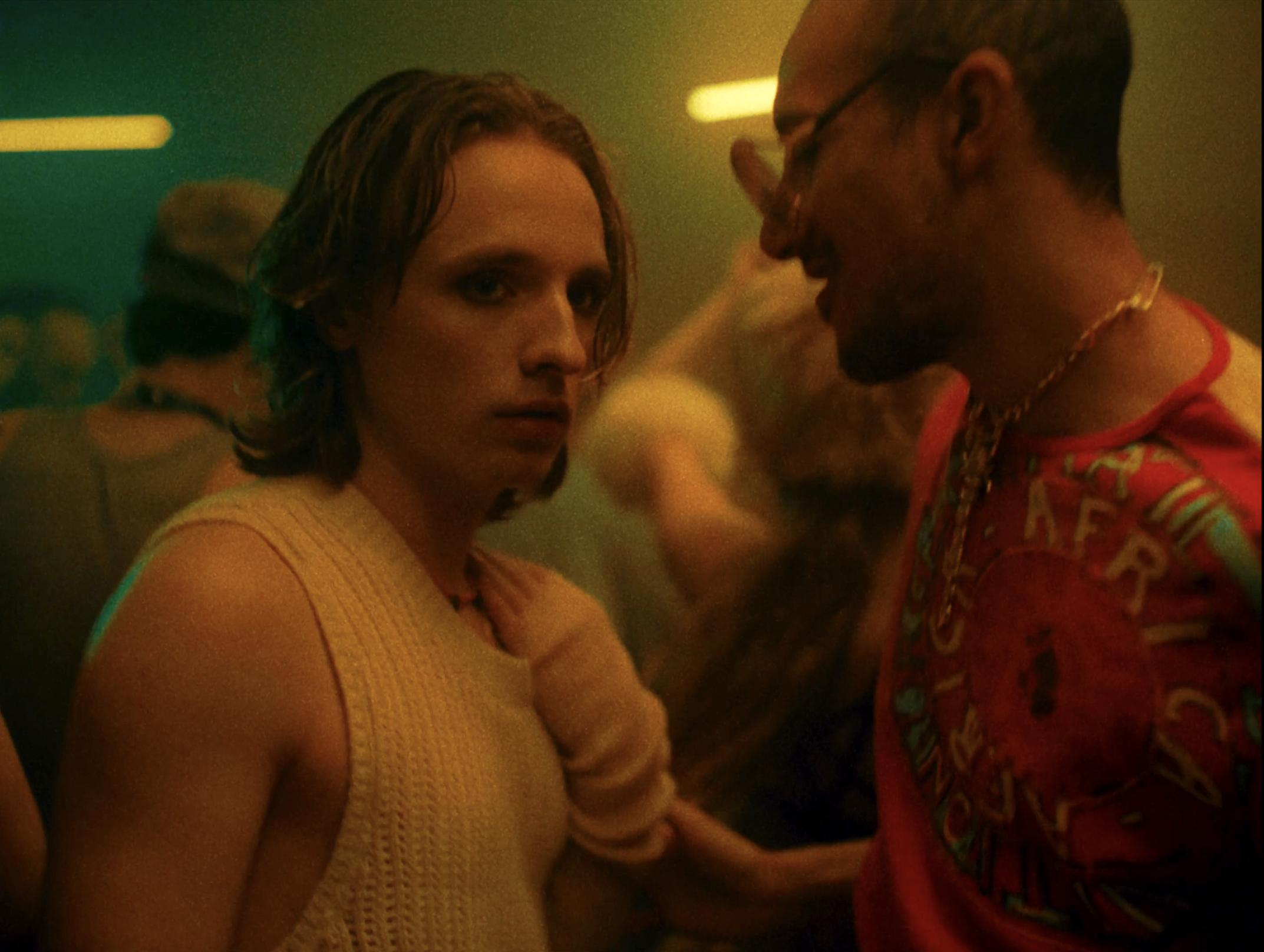
The film belongs, however, to Bird and Clausen. Their chemistry gives Leviticus a tenderness that prevents it from becoming another story of queer trauma. Their moments together have a nervous, electric intimacy. Bird, in particular, captures Naim’s gradual movement from curiosity to guilt to something resembling self-acceptance with impressive subtlety.
Visually, Chiarella keeps the film deliberately restrained. There is a moody, atmospheric style that recalls some of the strongest entries in contemporary Australian horror (think The Babadook or Talk to Me). Rather than drowning every scene in gore or jump scares, he creates an atmosphere of isolation and impending doom. Empty industrial spaces and darkened roads remove the sense of community from the town, leaving the young characters and viewers alike feel suffocated.
There are moments when the film’s symbolism becomes too explicit. Once the rules of the curse have been established, some of the repetition begins to feel familiar, but Chiarella ultimately sticks the landing, resisting to end the film with either total tragedy or uncomplicated triumph. The ending clearly shows how liberation does not necessarily mean that fear disappears; sometimes it means deciding that something is worth being afraid of.
And that is what makes Leviticus more than a horror film about conversion therapy. Beneath the blood and the supernatural is a surprisingly tender story about two young people discovering that the thing they have been taught to fear might actually be the thing that saves them. It is nostalgic, it is terrifying, and it is beautiful.





Leave a Reply