

Filmmaker Zara Woolf returns to Close-Up Culture to talk about her new documentary, The Beauty Problem, which is now streaming on Amazon Prime Video.
The documentary is a look into how women are valued in society based on their appearances, exposing superficial scrutiny in creative industries. The short documentary combines five personal stories from women in these industries, detailing the discrimination they’ve faced during their careers.
Hi Zara, welcome back to Close-Up Culture. What prompted you to make your new documentary, The Beauty Problem, and what did you want to explore?
Hi James, thanks for having me again!
Gen Z women are facing astronomically high beauty standards on a day-to-day basis; many begin their days consuming them as they roll over from their pillows to open Instagram. They will be met with a series of paid promotions for teeth whiteners, shapewear that hides the natural contours of their body, and extreme lip plumpers.
There is an abundance of apps that normalise altering our appearances, and the accessibility of cosmetic surgery has grown to the extent its now a similarly common choice to dying one’s hair or buying a pet.
Fetishization of young women is evermore present on both social media and traditional mainstream media. The obsession with anti-ageing skincare products, heightens our need to stay looking young.
It’s not difficult to notice trend that women directly adhering to our beauty standards are those who’re excelling in their careers and personal lives.
I wanted to break into documentary filmmaking with a subject that fitted my female focussed brand, speaking on a message I was deeply passionate about. I don’t think I could have made my firstdocumentary about anything else…
The film combines five personal stories from women in creative industries. Can you tell us about some of the voices in the film and why you picked them?
Yes! I picked Vinia Cook, recent dance school graduate, to shed light on her experience breaking into one of the most superficial of all industries. She intriguingly details teacher’s expectations forfemale students to wear “a full face of makeup” every day, when there were no such rules for the boys. Cook admitted during ourinterview the open superficial discrimination when attending auditions; casting director’s openly admitted looks (specifically height and physique) was of paramount priority to the castings, it wasn’t difficult to notice that those who looked a certain way, got cast.
The severity of societal beauty standard’s detrimental affect is enforced by nutritionist and personal trainer, Weronicka Anna. Anna grounds the documentary in science, detailing how our beauty standards can be severely impactful on physical health.

How do you find the experience of making documentary compared to narrative films?
The short answer is… much easier! It’s cheaper as production values are of less importance. It’s faster: Our interviews consisted of a stationary two-camera set up, no moving the camera around, swapping lenses and angles, and actors meeting marks.
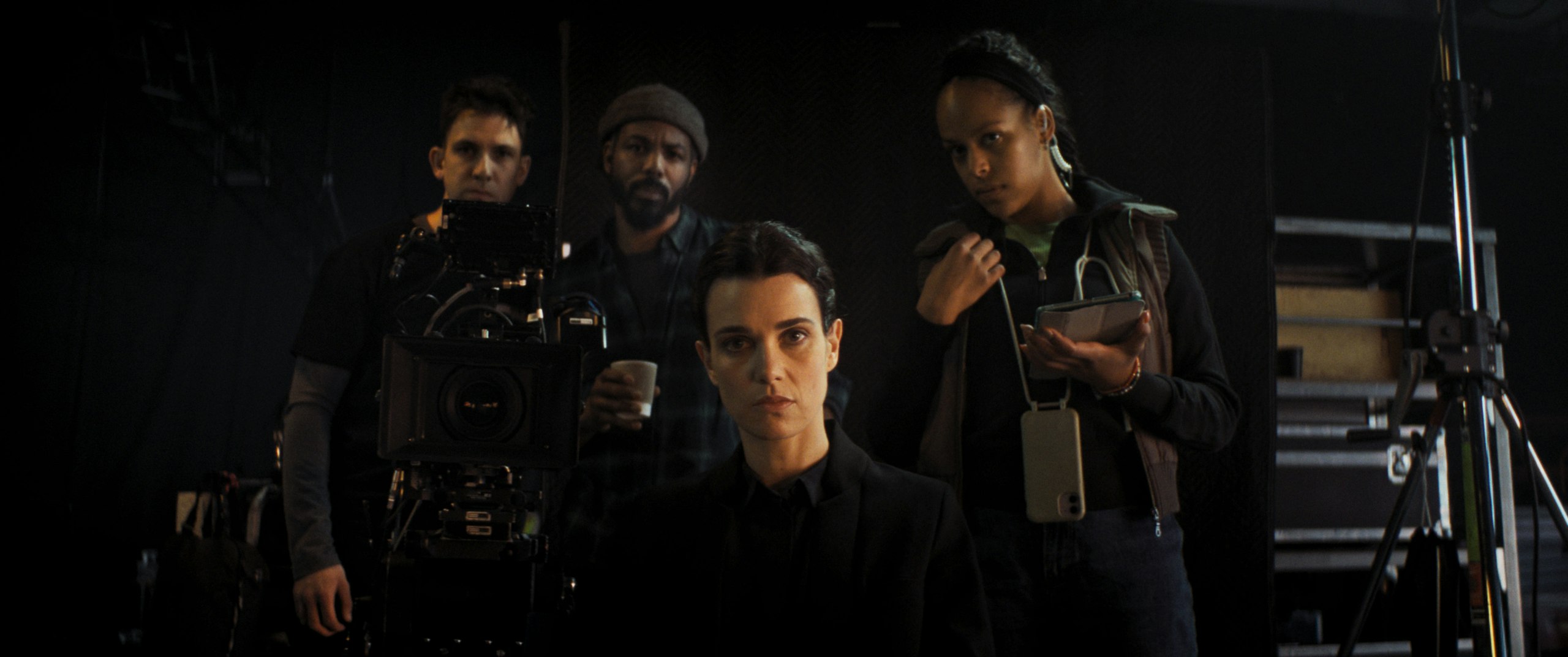
We shot the interviews over one day with a four-person crew and minimal equipment. I self-shot the B reel and edited the documentary. Editing is where the story is built in documentary filmmaking, the editor is piecing together phrases and sentences to create the story and to hammer home the message, hence why I wanted to do it myself. It was the most challenging and time-consuming part, I’m proud of the result.
What impact do you hope The Beauty Problem has on audiences?
My main goal with the documentary is to showcase what I’mstriving for in this industry, the theme behind my brand and projects: female empowerment and campaigning against superficially discriminatory treatment of women in film.
It is difficult because the ideal target audience whom I’d really like to listen and learn is men… but unfortunately the type of men who need to be watching a documentary like this, are not the type of people who want to be watching it. I tried to make it as less preachy as possible by including Nora Connolly’s oppositional perspective, how she has built a career with the opinion that looks aren’t everything in acting, but in all honesty, my small marketing budget is targeted at young women who will directly resonate and felt heard by the message.
What is next for you?
At the end of this month, we will shoot ‘Please Come Home’, a film about grief and family dynamics that I’m assistant producing for Broken Illusion Pictures. Mark Benton leads this short alongside writer/producer Charlotte Fenton, directed by Daymon Britton.
Following this, it’s just been confirmed ‘Rings of Power’ actress, Markella Kavenagh, will star in my own feminist thriller ‘Breaking the Plateau’. I am writing, producing and directing this one, and we’re shooting this November in London.
Watch The Beauty Problem – https://www.amazon.co.uk/dp/B0CV4PBXFM
For more of Zara – https://linktr.ee/zarawoolf



Leave a Reply